
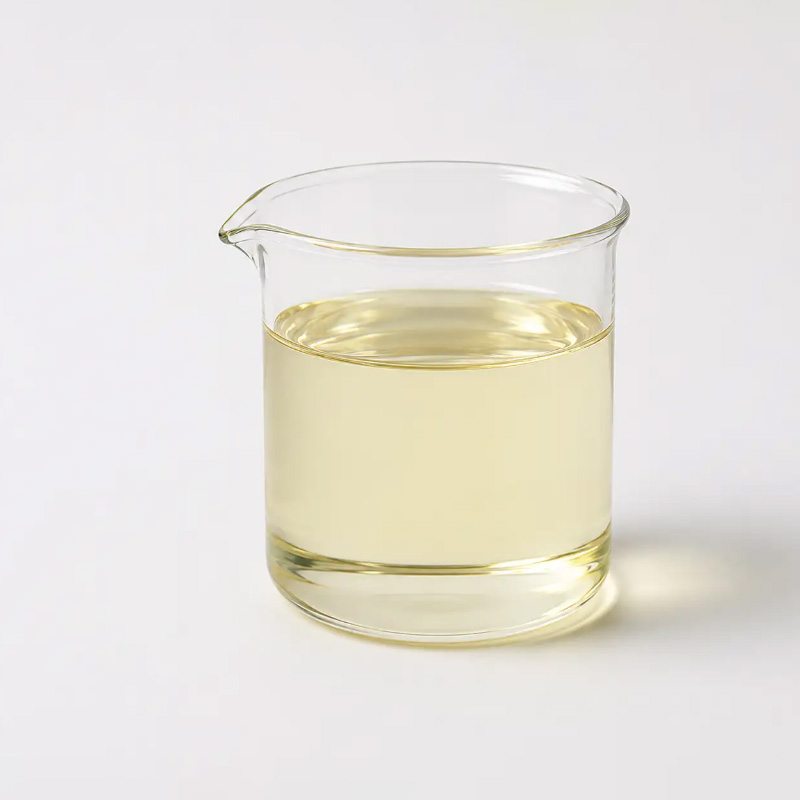
Plasticizers
Plasticizers are chemical additives incorporated into polymers and resins to increase their flexibility, workability, and durability. Most commonly used with polyvinyl chloride (PVC), plasticizers work by embedding between polymer chains, reducing intermolecular forces and allowing the material to bend and stretch without breaking. They are available in various types including phthalates, adipates, and citrates, each suited to specific performance and regulatory requirements.
Applications:
Plasticizers are most extensively used in the PVC and plastics industry, where they are essential in converting rigid PVC into flexible materials used in cables, flooring, hoses, films, and synthetic leather. In the construction industry, plasticized PVC is widely applied in window profiles, roofing membranes, pipes, and wall coverings due to its weather resistance and dimensional stability. The automotive industry relies on plasticizers in the production of interior components such as dashboards, door panels, seating upholstery, and wire insulation, where flexibility and heat resistance are critical. In the wire and cable industry, plasticizers provide the necessary electrical insulation and mechanical flexibility required for power and data cables across residential and industrial installations. The medical industry uses specialized non-toxic plasticizers in blood bags, IV tubing, and medical gloves where material safety and flexibility are paramount. In adhesives, sealants, and coatings, plasticizers improve spreadability, adhesion, and long-term flexibility of the finished product.