
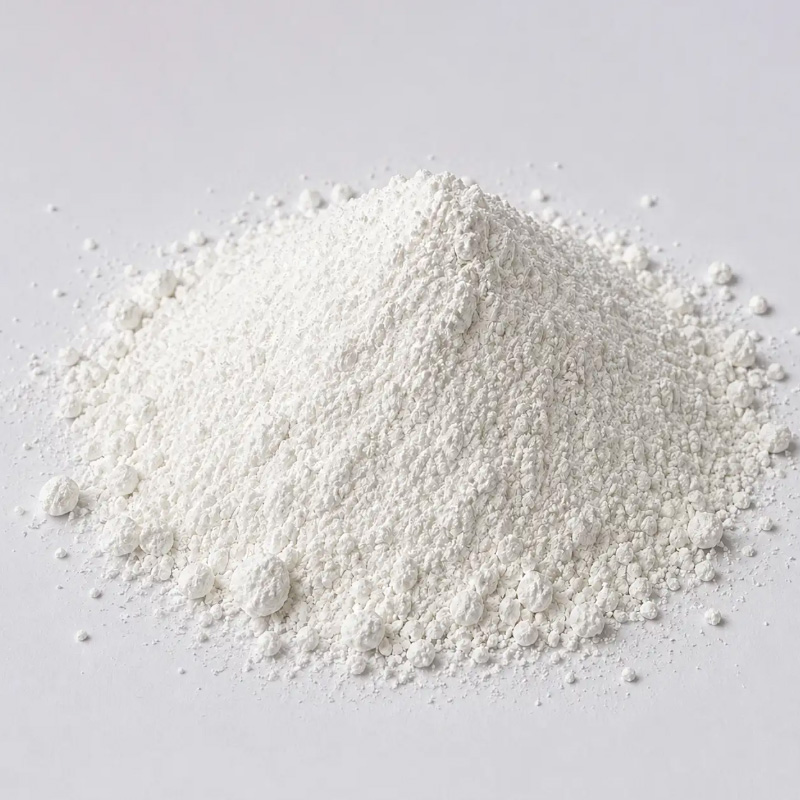
Zinc Oxide
Zinc Oxide is a fine white powder that occurs naturally as the mineral zincite but is most commonly produced through industrial processes. It is an amphoteric compound, meaning it can react with both acids and bases, making it exceptionally versatile across numerous industries. Known for its UV-absorbing, antibacterial, and semiconducting properties, zinc oxide is one of the most widely used inorganic compounds in both industrial and consumer applications. It is available in various grades including direct process (American process), indirect process (French process), and wet chemical grades, each suited to specific industry requirements.
Applications:
|
Industry |
Application |
|---|---|
|
Rubber & Tires |
Used as an activator in vulcanization to improve elasticity, durability, and heat resistance of rubber products |
|
Ceramics & Glass |
Improves gloss, hardness, and thermal resistance in ceramic glazes and specialty glass |
|
Paints & Coatings |
Provides whiteness, UV protection, and corrosion resistance in paints and protective coatings |
|
Agriculture |
Applied as a micronutrient fertilizer to correct zinc deficiency in crops and improve yield |
|
Electronics |
Used in semiconductors, varistors, and piezoelectric devices due to its electrical properties |
|
Cosmetics & Sunscreen |
Acts as a UV filter and skin protectant in sunscreens, lotions, and baby care products |
|
Pharmaceuticals |
Used in ointments, creams, and bandages for its antibacterial and wound-healing properties |
|
Chemical Manufacturing |
Serves as a raw material for producing zinc-based chemicals, catalysts, and feed additives |