
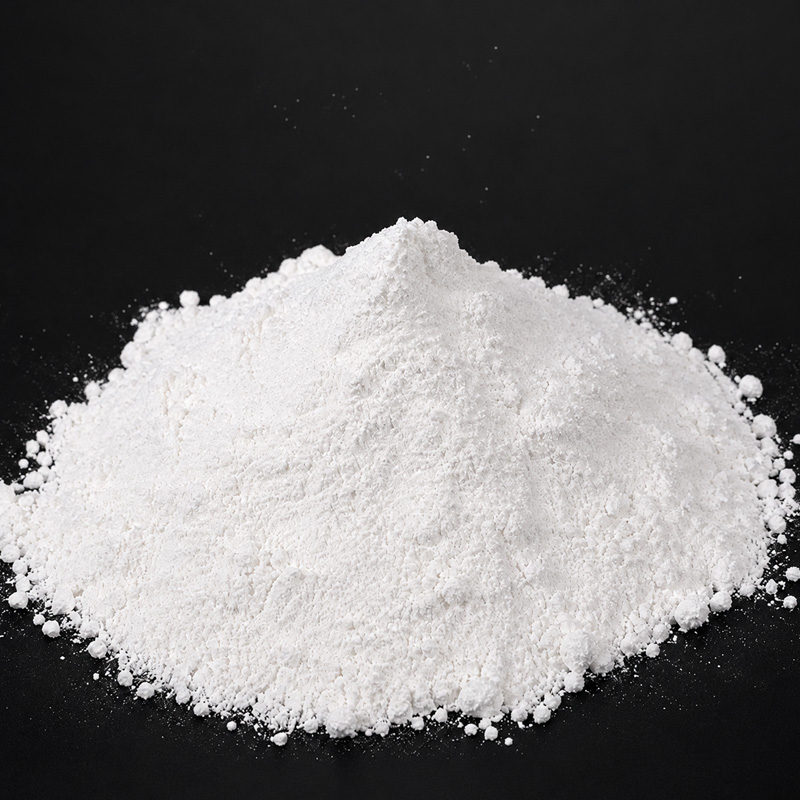
Calcium Stearate is a white, waxy powder derived from the reaction of stearic acid with calcium oxide or calcium hydroxide. It is a calcium salt of stearic acid and is classified as a metal soap. Known for its lubricating, stabilizing, and water-repelling properties, calcium stearate is a widely used multifunctional additive across the plastics, rubber, construction, and pharmaceutical industries. It is non-toxic, thermally stable, and compatible with a broad range of polymer systems, making it one of the most versatile and commonly used calcium-based additives in industrial processing.
Applications:
Calcium stearate is most extensively used in the PVC industry as an internal lubricant and costabilizer, where it reduces friction between polymer chains during processing, improves melt flow, and works synergistically with other stabilizers to delay thermal degradation. In the plastics and polymer industry, it serves as a mold release agent and processing lubricant in polyolefins, polypropylene, and engineering plastics, improving surface finish and reducing sticking to processing equipment. The rubber industry uses calcium stearate as a dispersing agent and processing aid that improves the uniform distribution of fillers and other additives within rubber compounds. In the construction industry, it is added to concrete, cement, and mortar formulations as a water repellent and anti-caking agent that improves workability and moisture resistance. The pharmaceutical industry uses calcium stearate as a tablet lubricant and flow agent in solid dosage manufacturing, preventing sticking to tablet punches and dies. It is also used in paper manufacturing as a surface sizing agent and in cosmetics as a binder and opacifier in pressed powders and personal care products.
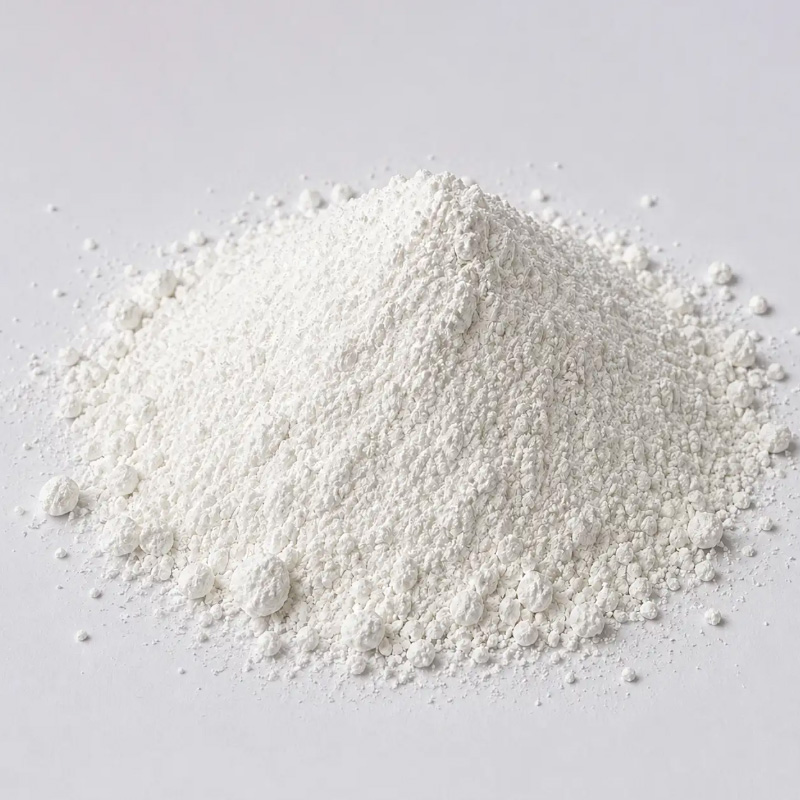
Zinc Oxide is a fine white powder that occurs naturally as the mineral zincite but is most commonly produced through industrial processes. It is an amphoteric compound, meaning it can react with both acids and bases, making it exceptionally versatile across numerous industries. Known for its UV-absorbing, antibacterial, and semiconducting properties, zinc oxide is one of the most widely used inorganic compounds in both industrial and consumer applications. It is available in various grades including direct process (American process), indirect process (French process), and wet chemical grades, each suited to specific industry requirements.
Applications:
|
Industry |
Application |
|---|---|
|
Rubber & Tires |
Used as an activator in vulcanization to improve elasticity, durability, and heat resistance of rubber products |
|
Ceramics & Glass |
Improves gloss, hardness, and thermal resistance in ceramic glazes and specialty glass |
|
Paints & Coatings |
Provides whiteness, UV protection, and corrosion resistance in paints and protective coatings |
|
Agriculture |
Applied as a micronutrient fertilizer to correct zinc deficiency in crops and improve yield |
|
Electronics |
Used in semiconductors, varistors, and piezoelectric devices due to its electrical properties |
|
Cosmetics & Sunscreen |
Acts as a UV filter and skin protectant in sunscreens, lotions, and baby care products |
|
Pharmaceuticals |
Used in ointments, creams, and bandages for its antibacterial and wound-healing properties |
|
Chemical Manufacturing |
Serves as a raw material for producing zinc-based chemicals, catalysts, and feed additives |
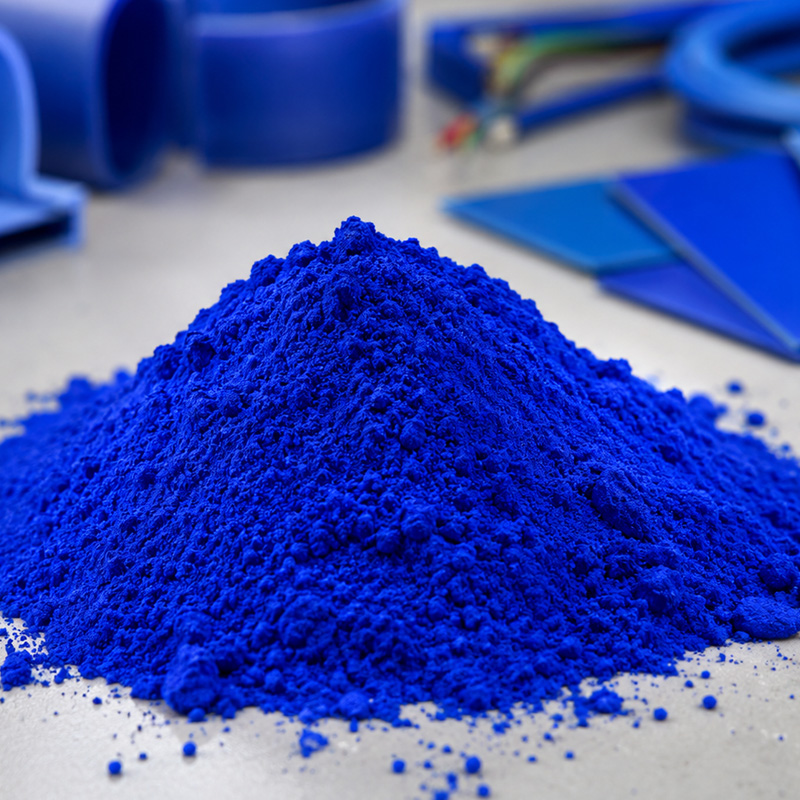
Pigments and Colorants are chemical substances added to plastics, coatings, rubber, and other materials to impart color, improve opacity, enhance brightness, and correct unwanted hues. In polymer processing, pigments play a critical role not only in aesthetics but also in UV protection, whiteness, and overall product quality. Available in inorganic and organic forms, the selection of pigment type depends on the required color performance, heat stability, chemical resistance, and regulatory requirements of the end application.
Titanium Dioxide (TiO₂) is the most widely used white pigment in the world, valued for its exceptional opacity, brightness, and UV-scattering properties. It is available in two crystal forms — rutile and anatase — with rutile being the preferred grade for most industrial applications due to its superior durability, UV resistance, and higher refractive index. TiO₂ is used extensively in paints and coatings, plastics, rubber, paper, and construction materials where maximum whiteness and hiding power are required.
Bluing Agent is a pigment additive used to counteract the natural yellowish tint present in white plastics, rubber, and other materials. By introducing a subtle blue or violet hue, bluing agents create the perception of a brighter, cleaner white to the human eye. They are commonly used in PVC, polyolefins, detergents, and paper products where optical whiteness and brightness are important quality attributes.
Ultramarine Pigments are synthetic inorganic pigments known for their vivid blue, violet, and pink shades, excellent heat stability, and chemical resistance. Produced from a calcination process involving kaolin, sulfur, and soda ash, they are non-toxic and offer outstanding lightfastness and weatherability. Ultramarine pigments are widely used in plastics, rubber, coatings, detergents, and cosmetics both as a primary colorant and as a bluing and brightening agent in white formulations.
Applications:
|
Product |
Key Property |
Primary Applications |
|---|---|---|
|
TiO₂ |
Opacity, whiteness, UV resistance |
Paints, coatings, plastics, rubber, paper, construction materials |
|
Bluing Agent |
Optical brightness correction |
PVC, polyolefins, detergents, paper, white rubber products |
|
Ultramarine Pigments |
Heat stable, vivid color, lightfast |
Plastics, rubber, coatings, detergents, cosmetics |
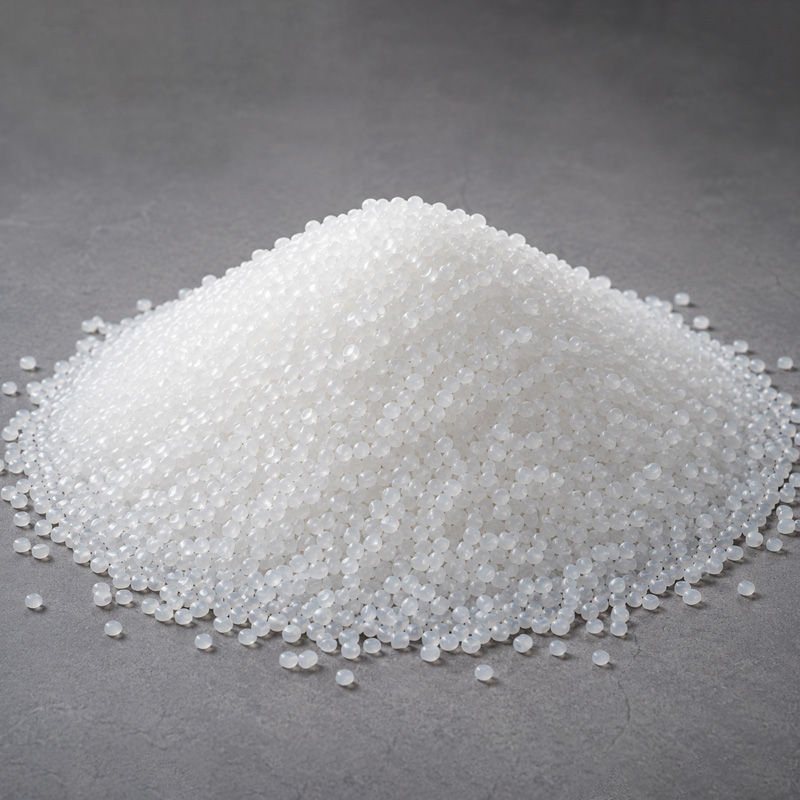
HDPE (High-Density Polyethylene) is a versatile, semi-crystalline thermoplastic polymer known for its high strength-to-density ratio, excellent chemical resistance, and durability. Produced through the polymerization of ethylene at low pressure using catalysts, HDPE has a linear molecular structure with minimal branching, resulting in a denser and stronger material compared to other polyethylene grades. It is one of the most widely used plastics globally, valued for its toughness, moisture resistance, and ease of processing across a broad range of industrial and consumer applications.
Applications:
HDPE is most extensively used in the pipe and fittings industry, where it serves as the material of choice for water supply, gas distribution, sewage, and industrial fluid conveyance systems due to its excellent pressure resistance, corrosion resistance, and long service life. In the packaging industry, HDPE is widely used in the production of bottles, containers, crates, and caps for household chemicals, personal care products, and industrial goods. The construction industry relies on HDPE for geomembranes, drainage pipes, conduits, and protective sheeting due to its UV resistance and dimensional stability. In agriculture, HDPE is used in irrigation pipes, water tanks, and greenhouse films where durability and chemical resistance to fertilizers and pesticides are critical. The automotive industry uses HDPE in fuel tanks, fluid reservoirs, and under-hood components where resistance to chemicals and impact is required. It is also widely used in the wire and cable industry as a protective conduit and jacketing material, and in industrial applications for manufacturing drums, pallets, material handling equipment, and chemical storage tanks.
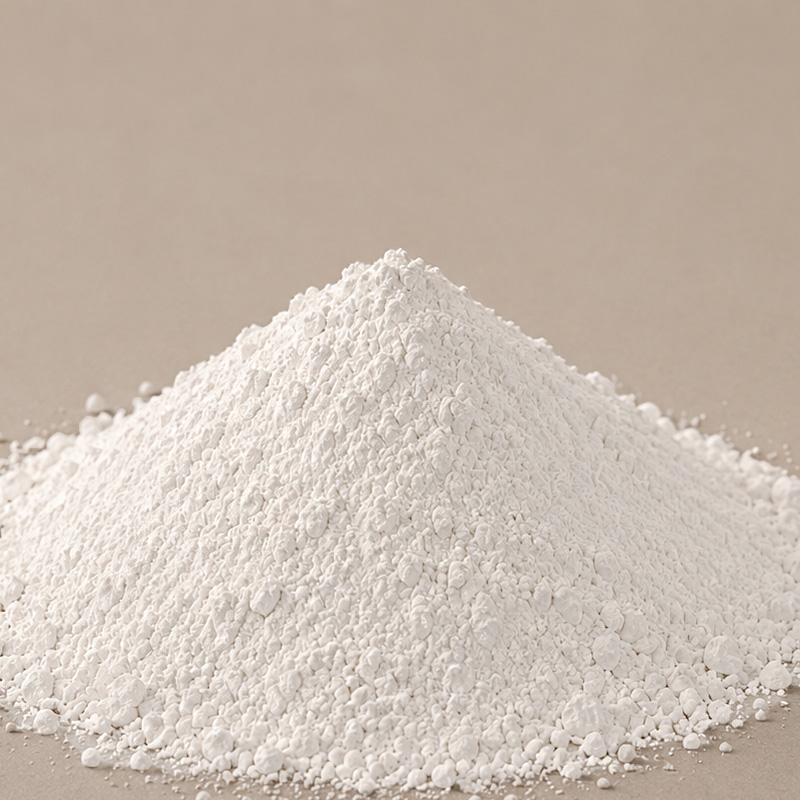
Calcined Kaolin is a refined white mineral produced by heating natural kaolin clay to high temperatures, a process that removes chemically bound water and alters the crystal structure to produce a harder, more inert, and highly opacifying material. The calcination process results in a product with superior whiteness, brightness, and opacity compared to unprocessed kaolin, making it a valued functional filler and extender across a wide range of industries.
Applications:
Calcined kaolin is most extensively used in the paints and coatings industry as a partial replacement for titanium dioxide, where its high opacity, brightness, and low oil absorption contribute to improved hiding power and reduced formulation costs. In the plastics and rubber industry, it serves as a functional filler that improves stiffness, dimensional stability, electrical resistivity, and surface finish in PVC, polyolefins, and rubber compounds. The wire and cable industry utilizes calcined kaolin for its excellent electrical insulation properties and ability to improve the mechanical strength and fire resistance of cable jacketing compounds. In paper and board manufacturing, it is used as a coating and filling pigment to improve smoothness, printability, brightness, and opacity of paper surfaces. The ceramics industry incorporates calcined kaolin in the production of porcelain, technical ceramics, and refractory materials where high-temperature stability and whiteness are essential. It is also used in adhesives and sealants as a reinforcing filler that improves viscosity control, adhesion, and mechanical performance.
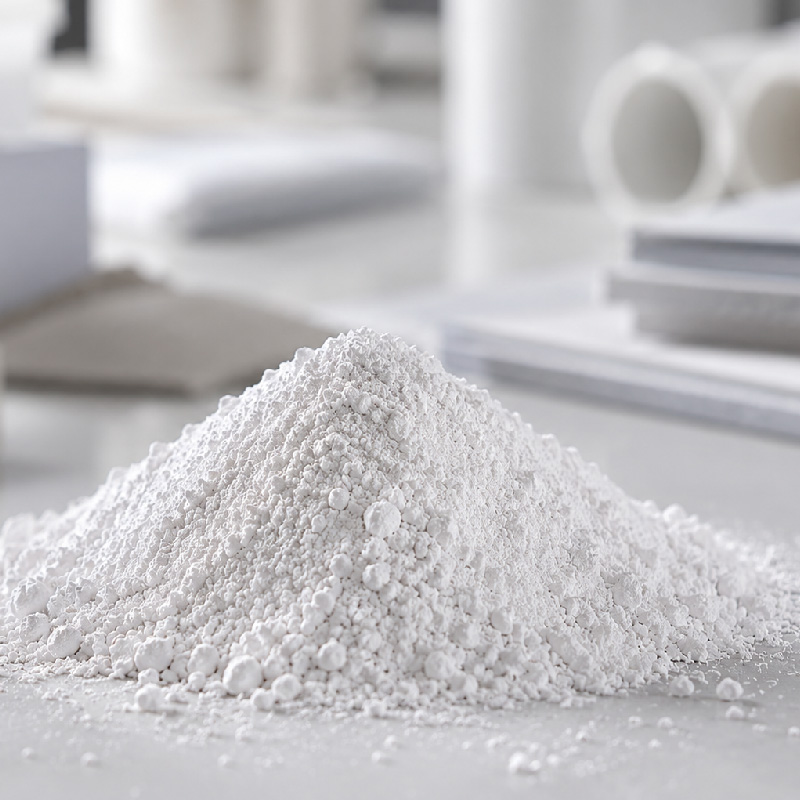
Calcium Carbonate is one of the most widely used mineral fillers and extenders in the plastics, rubber, paint, and construction industries. It is available in several forms — coated, uncoated, precipitated, and nano-grade — each offering distinct particle size, surface characteristics, and performance properties. As a cost-effective filler, it improves dimensional stability, stiffness, and opacity while reducing material costs without significantly compromising mechanical properties.
Coated Calcium Carbonate is surface-treated with stearic acid or other fatty acid coatings to improve compatibility and dispersion within polymer matrices. The coating reduces moisture absorption, improves filler-polymer interaction, and enhances processing characteristics. It is preferred in PVC, polyolefins, and rubber compounds where uniform dispersion and improved mechanical properties are required.
Uncoated Calcium Carbonate is the natural ground form without surface treatment, offering a cost-effective solution for applications where compatibility requirements are less critical. It is widely used as a filler and extender in paints, adhesives, sealants, and construction materials where bulk and opacity are the primary requirements.
Precipitated Calcium Carbonate (PCC) is synthetically produced through a controlled precipitation process, resulting in ultrafine particles with a highly uniform size and shape. It offers superior whiteness, brightness, and consistency compared to ground grades and is used in high-performance applications such as paper coating, specialty plastics, pharmaceuticals, and high-quality paints where precise particle characteristics are essential.
Nano Calcium Carbonate consists of ultrafine particles in the nanometer range, offering significantly enhanced mechanical reinforcement, improved impact strength, and better surface finish compared to conventional grades. It is used in advanced PVC compounds, engineering plastics, rubber, and specialty coatings where superior performance at lower loading levels is required.
Applications:
|
Product |
Key Property |
Primary Applications |
|---|---|---|
|
Coated |
Improved dispersion & compatibility |
PVC pipes, profiles, rubber compounds, polyolefin films |
|
Uncoated |
Cost-effective filler & extender |
Paints, adhesives, sealants, construction materials |
|
Precipitated (PCC) |
High whiteness & uniform particle size |
Paper coating, specialty plastics, pharmaceuticals, paints |
|
Nano |
Enhanced mechanical reinforcement |
Advanced PVC, engineering plastics, rubber, specialty coatings |
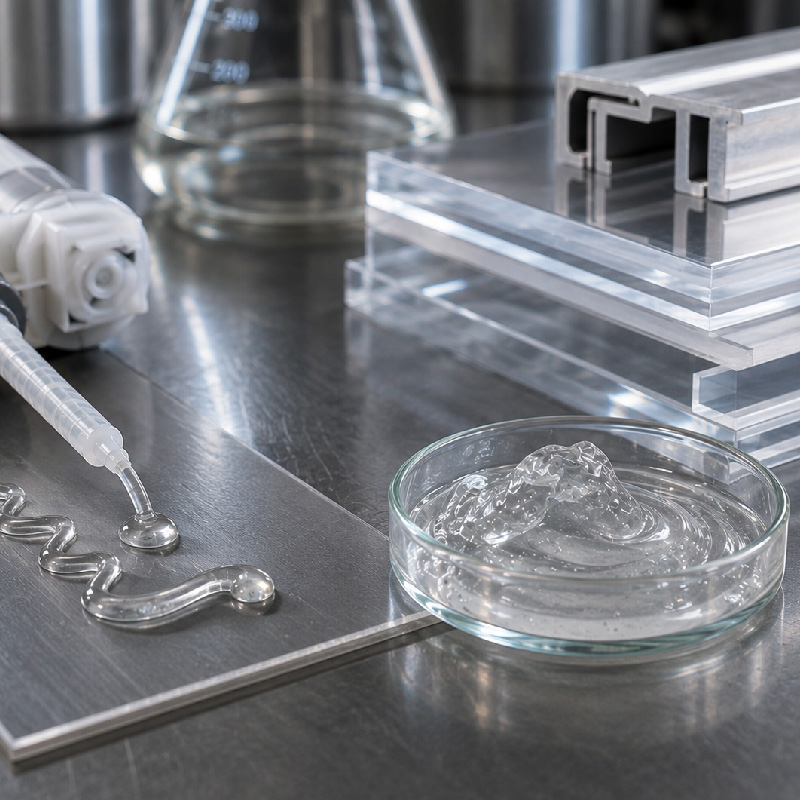
Antioxidants and Costabilizers are chemical additives used to protect polymers, plastics, and other materials from oxidative degradation during processing and throughout their service life. Thermal processing exposes polymers to high temperatures and mechanical shear, generating free radicals and peroxides that cause chain scission, discoloration, and loss of physical properties. Antioxidants and costabilizers work by interrupting these degradation pathways, either by scavenging free radicals, decomposing peroxides, or neutralizing acidic byproducts. Available in several chemical types including phosphites, hindered phenols, bisphenols, ESBO, and BHT, each offers distinct stabilization mechanisms suited to specific polymer systems and processing conditions.
Phosphite antioxidants function as secondary antioxidants and processing stabilizers by decomposing hydroperoxides formed during thermal processing before they can generate harmful free radicals. They are widely used in combination with primary antioxidants to provide synergistic stabilization in polyolefins, PVC, engineering plastics, and coatings, particularly during high-temperature extrusion and molding operations.
Hindered Phenol antioxidants are primary antioxidants that scavenge free radicals generated during oxidative degradation, effectively interrupting the chain reaction that leads to polymer breakdown. They provide long-term thermal and oxidative stability and are extensively used in polyolefins, styrenics, elastomers, and adhesives where sustained performance over the product's service life is required.
Bisphenol antioxidants are high-performance primary antioxidants offering excellent thermal stability and low volatility. They are particularly effective in rubber and elastomer applications, providing outstanding protection against heat aging and oxidative degradation in tires, belts, hoses, and other rubber products.
ESBO (Epoxidized Soybean Oil) is a bio-based costabilizer and plasticizer widely used in PVC formulations. It acts as a secondary stabilizer by scavenging hydrochloric acid released during PVC thermal degradation, thereby extending the effectiveness of primary stabilizers. It also functions as a secondary plasticizer, improving flexibility and compatibility in flexible PVC applications such as films, cables, and flooring.
BHT (Butylated Hydroxy Toluene) is a widely used primary antioxidant and free radical scavenger that provides effective short-term protection during processing and storage. It is commonly used in polyolefins, rubber, adhesives, and petroleum products to prevent oxidative rancidity and discoloration during manufacturing and shelf storage.
Applications:
|
Product |
Type |
Primary Applications |
|---|---|---|
|
Phosphite |
Secondary antioxidant |
Polyolefins, PVC, engineering plastics, coatings |
|
Hindered Phenol |
Primary antioxidant |
Polyolefins, styrenics, elastomers, adhesives |
|
Bisphenol |
Primary antioxidant |
Rubber, tires, belts, hoses, elastomers |
|
ESBO |
Costabilizer & plasticizer |
Flexible PVC films, cables, flooring, wire insulation |
|
BHT |
Primary antioxidant |
Polyolefins, rubber, adhesives, petroleum products |
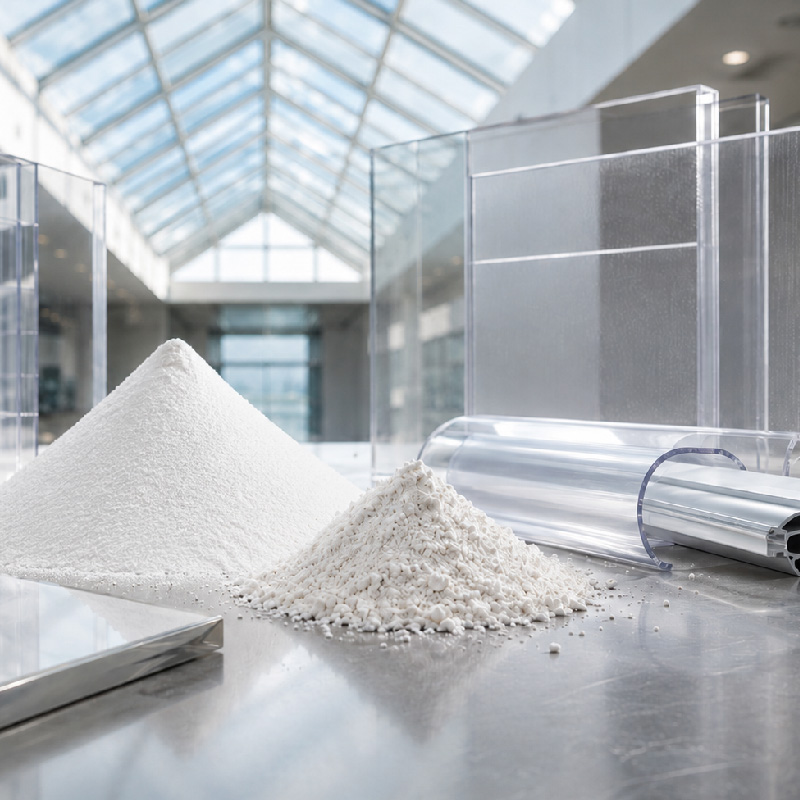
UV and Light Stabilizers are chemical additives incorporated into plastics, coatings, and other polymer materials to protect them from degradation caused by ultraviolet radiation and prolonged light exposure. Without stabilization, UV radiation breaks down polymer chains, leading to discoloration, chalking, loss of mechanical strength, and surface cracking. Available in several chemistries including benzophenones, benzotriazoles, acrylates/triazines, and HALS, each type works through a different mechanism to provide optimal protection depending on the application and exposure conditions.
UV Absorber – Benzophenone works by absorbing harmful UV radiation and converting it into harmless heat energy. It offers broad-spectrum UV absorption and is widely used in coatings, adhesives, and flexible PVC applications. It is particularly effective for indoor applications and thin film substrates where moderate UV protection is required.
UV Absorber – Benzotriazoles are high-performance UV absorbers that provide excellent light stability across a wide wavelength range. They are more thermally stable than benzophenones and are preferred in engineering plastics, automotive coatings, and outdoor PVC applications where long-term UV protection and color retention are critical.
UV Absorber – Acrylates/Triazine represents the latest generation of UV absorbers offering superior photostability, high molar absorption, and excellent compatibility with a wide range of polymers. Triazine-based absorbers are particularly effective in thick cross-section applications and high-performance coatings where deep UV protection and durability are essential.
HALS (Hindered Amine Light Stabilizers) do not absorb UV radiation directly but instead neutralize the free radicals generated during photo-oxidation, interrupting the degradation cycle and providing long-lasting protection. HALS are considered the most effective light stabilizers available and are widely used in polyolefins, coatings, agricultural films, and automotive plastics where extended outdoor service life is required.
Applications:
| Product | Mechanism | Primary Applications |
|---|---|---|
| Benzophenone | UV absorption | Coatings, adhesives, flexible PVC, indoor applications |
| Benzotriazoles | UV absorption | Engineering plastics, automotive coatings, outdoor PVC |
| Acrylates/Triazine | UV absorption | High-performance coatings, thick-section plastics, laminates |
| HALS | Free radical scavenging | Polyolefins, agricultural films, automotive plastics, coatings |
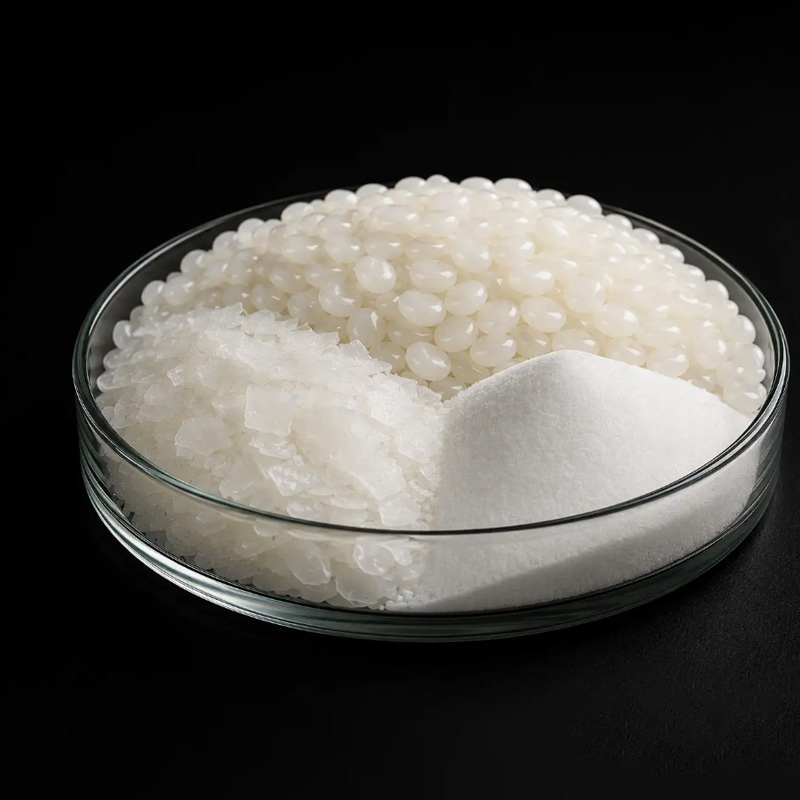
PVC Lubricants are essential additives used in PVC compounding and processing to reduce friction, improve melt flow, and prevent degradation during high-temperature processing. They are classified as internal lubricants, which reduce friction between polymer chains, and external lubricants, which reduce friction between the polymer melt and processing equipment surfaces. Proper lubrication ensures smooth processing, improved surface finish, and extended equipment life.
PE Wax (Polyethylene Wax) is a low molecular weight polyethylene that functions primarily as an external lubricant in PVC processing. It provides excellent mold release, improves surface gloss, and reduces friction between the PVC melt and metal surfaces of processing equipment. It is widely used in rigid PVC applications such as pipes, profiles, and fittings.
Paraffin Wax is a petroleum-derived external lubricant that improves the flow of PVC melt and reduces sticking to processing equipment. It is cost-effective and commonly used in combination with other lubricants to fine-tune the lubrication balance in rigid PVC formulations including pipes, profiles, and calendered sheets.
Stearic Acid serves as both an internal and external lubricant in PVC processing. As an internal lubricant, it reduces intermolecular friction within the polymer melt, improving flow and fusion. It also acts as a co-stabilizer when used alongside metal salt stabilizers, making it a multifunctional additive in PVC pipe, fitting, and profile formulations.
Ester Waxes are synthetic lubricants derived from the esterification of fatty acids and alcohols. They function primarily as internal lubricants, offering superior compatibility with PVC resin and providing excellent fusion control, improved clarity, and enhanced surface quality. They are particularly valued in applications requiring a fine balance between lubrication and fusion rate such as rigid profiles, transparent sheets, and high-gloss surfaces.
Applications:
|
Product |
Function |
Primary Applications |
|---|---|---|
|
PE Wax |
External lubricant |
Pipes, profiles, fittings, rigid PVC |
|
Paraffin Wax |
External lubricant |
Pipes, profiles, calendered sheets |
|
Stearic Acid |
Internal & external lubricant |
Pipes, fittings, profiles, co-stabilizer blends |
|
Ester Waxes |
Internal lubricant |
Rigid profiles, transparent sheets, high-gloss surfaces |
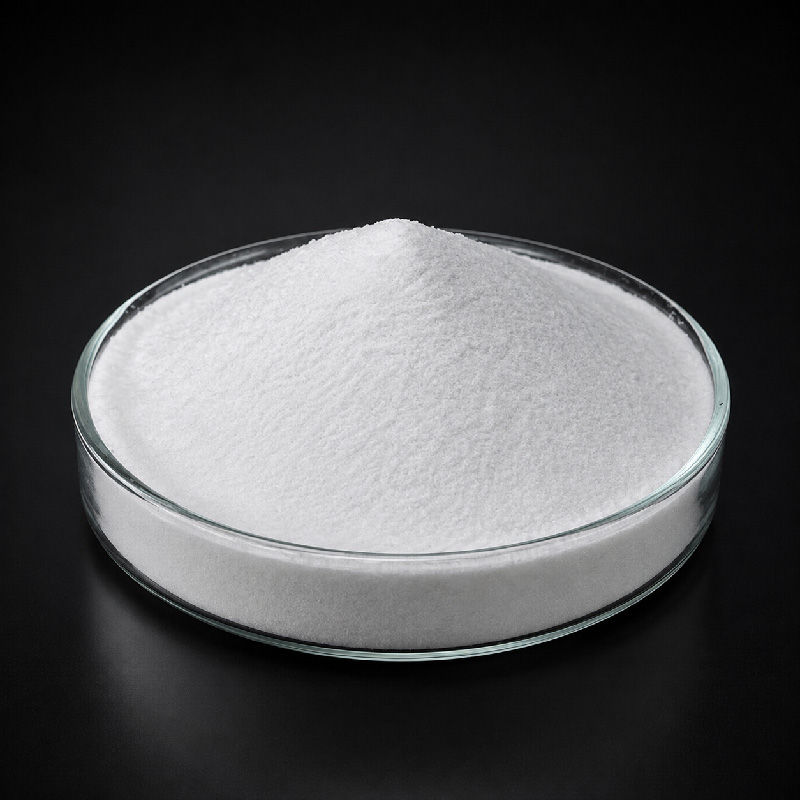
Impact Modifiers are polymer additives incorporated into PVC and other rigid plastic compounds to significantly improve their toughness, impact resistance, and durability without compromising other key properties. By absorbing and dispersing energy from sudden impacts, they prevent cracking and brittle failure in finished products. Available in several chemical systems including CPE, Acrylic, MBS, and ABS, each type offers distinct performance characteristics suited to specific applications and processing conditions.
CPE (Chlorinated Polyethylene) is one of the most widely used impact modifiers for PVC, offering excellent weatherability, chemical resistance, and low-temperature impact strength. It is particularly effective in outdoor applications such as pipes, fittings, and profiles where long-term durability and UV resistance are required.
Acrylic Impact Modifier (AIM) provides outstanding weathering resistance and surface appearance retention, making it the preferred choice for exterior PVC applications such as window profiles, sidings, and outdoor cladding. It maintains its impact performance even after prolonged UV and weather exposure.
MBS (Methyl Methacrylate-Butadiene-Styrene) is a core-shell impact modifier that delivers exceptional transparency and high impact strength, making it ideal for clear and transparent PVC applications such as packaging films, bottles, and rigid sheets where optical clarity must be preserved.
ABS (Acrylonitrile-Butadiene-Styrene) impact modifier improves toughness and rigidity in PVC blends, offering good heat resistance and dimensional stability. It is commonly used in rigid PVC applications requiring a balance of impact strength, stiffness, and processability.
Applications:
|
Product |
Primary Applications |
|---|---|
|
CPE |
Pipes, fittings, outdoor profiles, roofing sheets, hoses |
|
Acrylic (AIM) |
Window profiles, sidings, outdoor cladding, exterior PVC products |
|
MBS |
Clear packaging films, transparent bottles, rigid PVC sheets |
|
ABS |
Rigid PVC compounds, electrical housings, automotive parts |
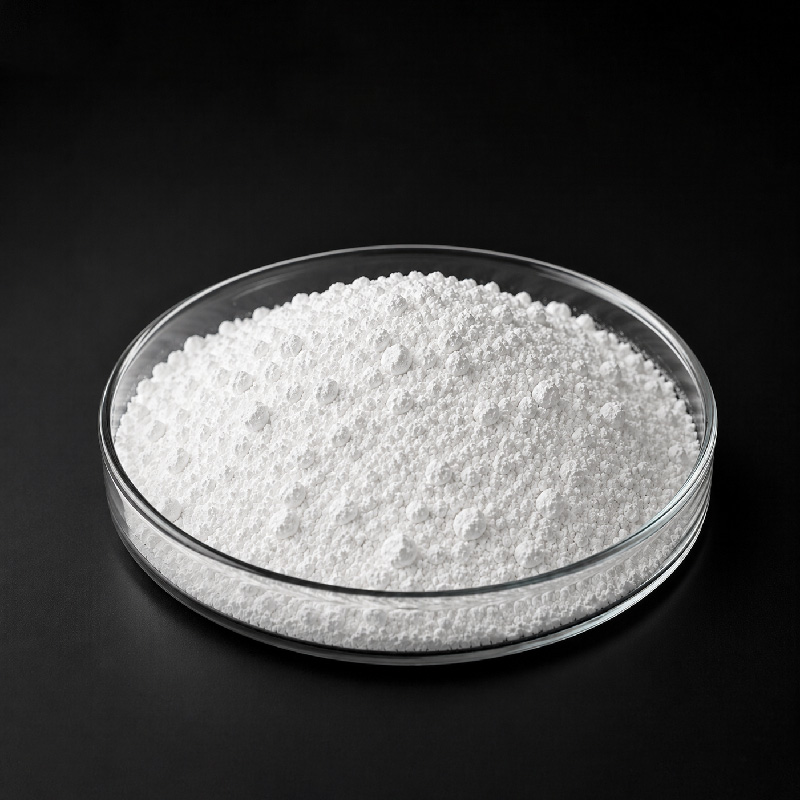
Processing Aids are specialty additives incorporated into PVC and polymer compounds to improve processability, surface quality, and overall manufacturing efficiency. They work by promoting faster fusion, improving melt flow, and enhancing the surface appearance of finished products. Available in various formulations including acrylic-based, styrene-acrylonitrile, mixture types, custom molecular weight blends, and lubricating grades, processing aids are tailored to meet the specific demands of different PVC processing methods and end-use applications.
Acrylic-based processing aids are the most widely used type, offering excellent fusion promotion, improved melt strength, and enhanced surface gloss in rigid PVC applications such as pipes, profiles, and sheets.
Styrene-Acrylonitrile (SAN) processing aids provide improved rigidity, heat resistance, and dimensional stability, making them suitable for applications requiring higher mechanical performance.
Mixture-type processing aids combine the properties of multiple polymer systems to deliver balanced processing performance across a broader range of PVC formulations and processing conditions.
Custom molecular weight blends are specially formulated grades designed to meet precise processing requirements, offering flexibility in controlling fusion rate, melt viscosity, and surface finish for specific end-product specifications.
Lubricating Processing Aids combine the fusion-promoting benefits of standard processing aids with internal lubrication properties, reducing friction between polymer chains and processing equipment, resulting in improved output rates and extended equipment life.
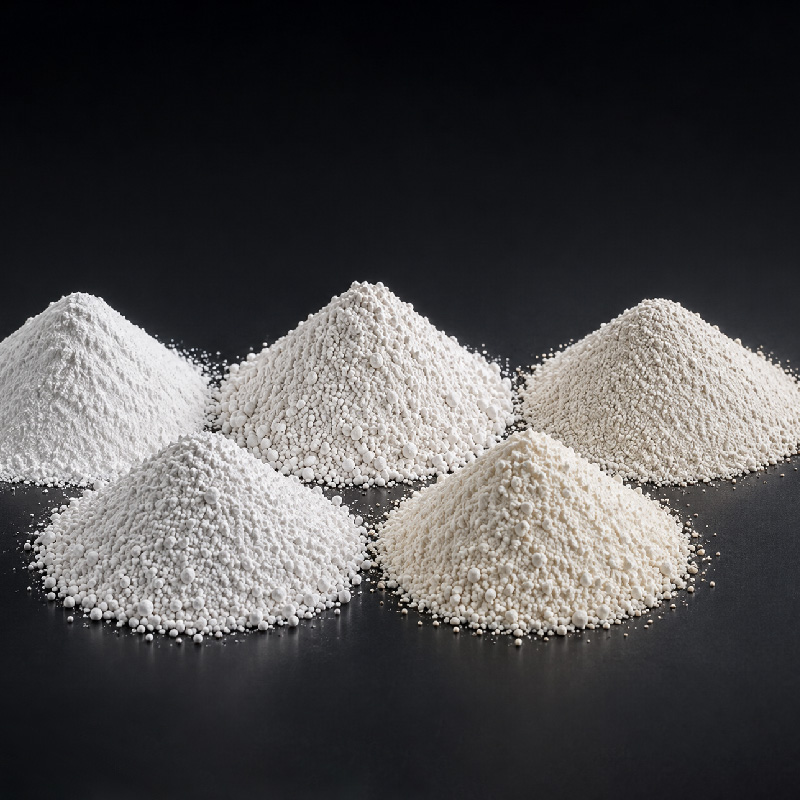
Metal Salts are specialty metallic stearates used as lubricants, stabilizers, release agents, acid scavengers, and processing aids in PVC, plastics, rubber, coatings, and related industrial formulations. Common grades include LSN (Lead Stearate Normal), Cast, ZNST (Zinc Stearate), MGST (Magnesium Stearate), and ALST (Aluminum Stearate).
Applications: Commonly used in PVC pipes and profiles, roofing and cladding, sheets and films, rubber compounds, coatings, plastics processing, and molded products to improve heat stability, reduce friction and sticking, enhance mold release, improve surface finish, and support smoother processing.
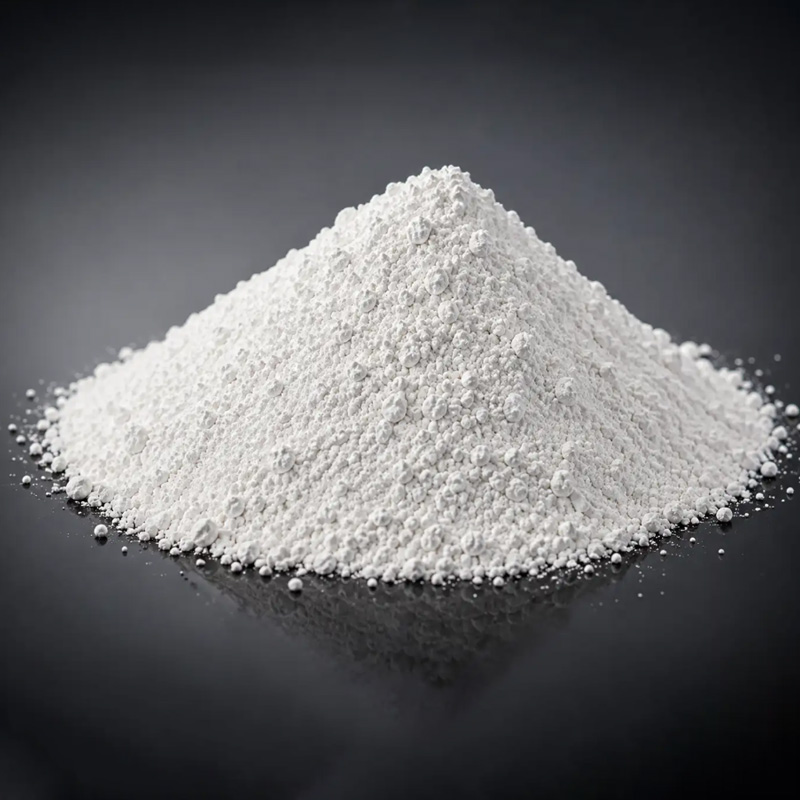
Lead Mono Stabilizer is a lead-based heat stabilizer used in PVC processing to improve thermal stability, lubrication, and processing performance. Common grades include TBLS (Tribasic Lead Sulfate), DBLPh (Dibasic Lead Phthalate), and DBLS (Dibasic Lead Stearate). These stabilizers help protect PVC from heat degradation during extrusion and molding and are used in rigid and flexible PVC products such as pipes, profiles, sheets, flooring, and other durable applications.
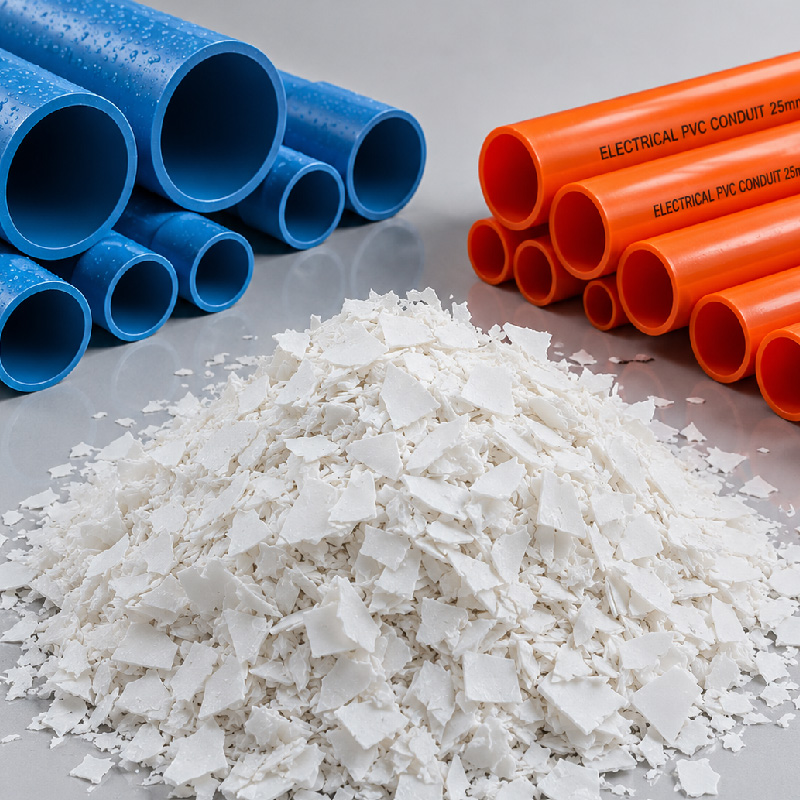
One Pack Stabilizer is a pre-blended combination of heat stabilizers, lubricants, and processing aids formulated specifically for PVC processing. Designed for convenience and consistency, it eliminates the need to separately weigh and mix individual stabilizer components, ensuring uniform performance and reducing processing errors. Available in lead-based, calcium-zinc (CaZn), and barium-zinc (BaZn) systems, one pack stabilizers are tailored to meet the specific requirements of various PVC applications.
| Application | Types Used |
|---|---|
| Pipe | Lead, CaZn, Organic-based |
| Fittings | Lead, CaZn |
| Profile – Outdoor | Lead, CaZn |
| Profile – Indoor | Lead, CaZn |
| Calendering Raincoat, Tarpaulin, Linoleum | Lead, CaZn, BaZn |
| Wire & Cable Insulation | CaZn |
| Tiles Vinyl Flooring | CaZn |
| Flexible Hose | CaZn |
| Foamboard | Lead |
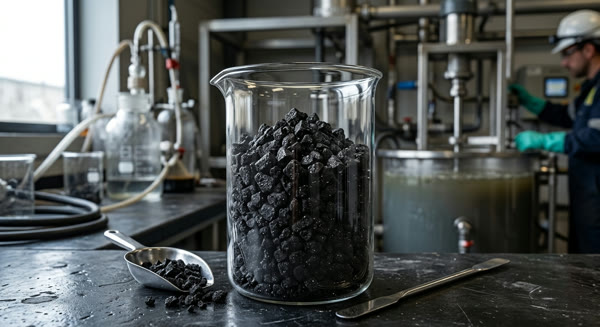
Activated Carbon is a highly porous black material with an exceptionally large internal surface area, making it one of the most effective industrial adsorbents available. It is produced by processing carbon-rich materials such as coal, coconut shell, or wood at high temperatures, creating a network of microscopic pores that capture and remove impurities, contaminants, odors, and other unwanted substances from liquids and gases.
| Industry | Application |
|---|---|
| Water Treatment | Removes chlorine, organic compounds, odors, unpleasant taste, and other contaminants from drinking water and wastewater. |
| Air Purification | Adsorbs volatile organic compounds (VOCs), odors, fumes, and harmful gases in industrial and residential environments. |
| Food & Beverage | Used for decolorization and purification of sugar, edible oils, alcoholic beverages, and other processed food products. |
| Pharmaceuticals | Used in pharmaceutical purification processes and in certain medical applications involving the adsorption of toxic substances. |
| Gold & Mining | Used to recover gold and other precious metals from process solutions, particularly in carbon-in-leach and carbon-in-pulp systems. |
| Chemical Processing | Functions as a purification medium, adsorbent, and catalyst support in various industrial chemical processes. |
| Gas Separation & Solvent Recovery | Captures solvent vapors, removes gaseous contaminants, and supports separation and recovery processes in industrial operations. |
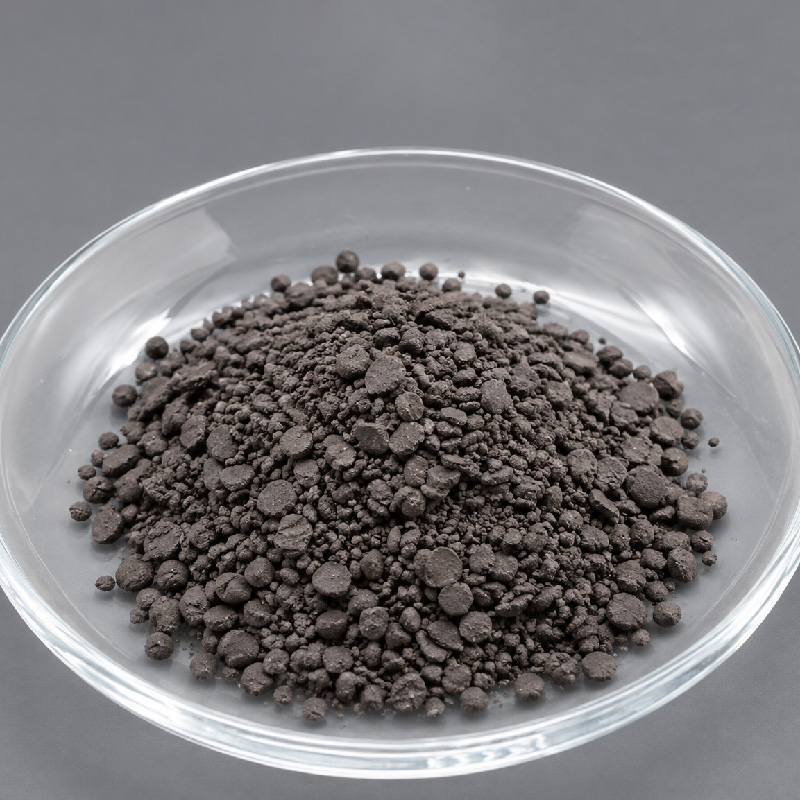
Antioxidants are performance additives used to protect plastics, rubber, lubricants, adhesives, and other industrial materials from oxidation caused by heat, oxygen, and processing conditions. They help reduce discoloration and degradation while preserving mechanical properties, stability, and service life.
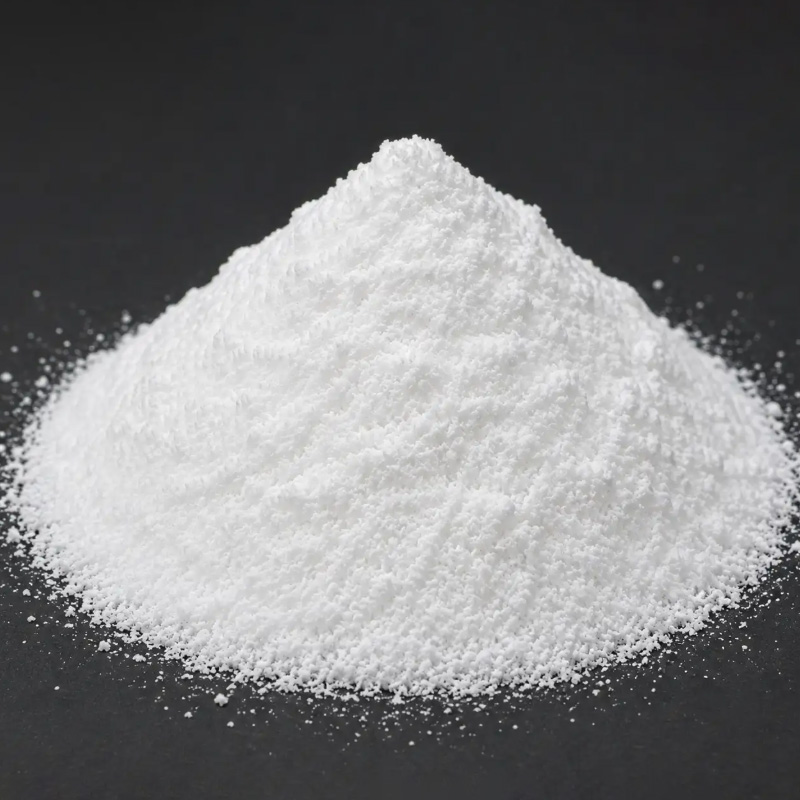
Borax (Sodium Borate) is a versatile boron-based mineral used in mineral processing and metallurgical operations as a flux, pH buffer, and refining aid. It helps lower melting temperatures, improve slag formation, and separate impurities during the smelting and refining of precious and non-ferrous metals.
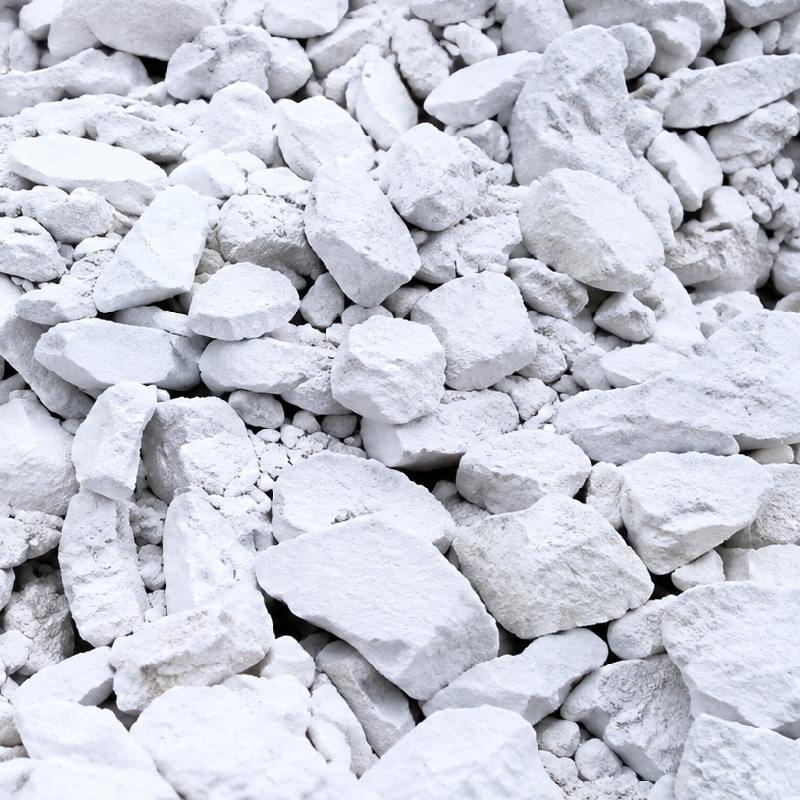
Calcium Oxide (Quicklime) is a highly reactive alkaline material widely used in mineral processing and mining for pH control, neutralization, and reagent conditioning. It is commonly added to flotation and hydrometallurgical circuits to maintain alkaline conditions, improve process efficiency, and help control acidic impurities in ores, tailings, and process water.
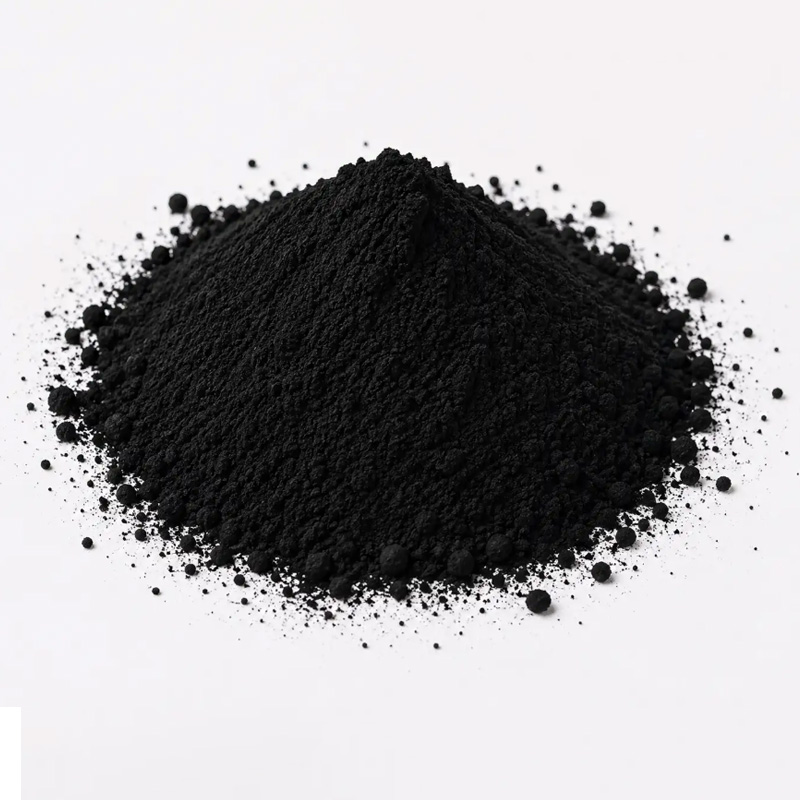
Carbon Black is a fine, high-purity form of elemental carbon widely used as a reinforcing filler, pigment, and performance additive in rubber, plastics, coatings, inks, and industrial compounds. It improves strength, abrasion resistance, durability, conductivity, and UV protection, making it especially important in tires, rubber products, plastic components, and black-colored formulations.
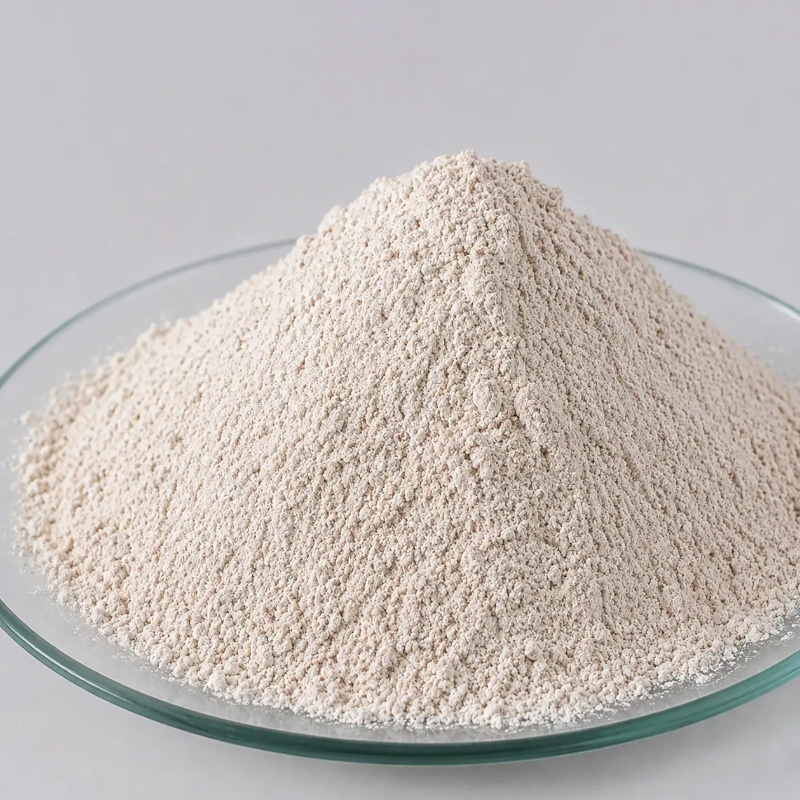
Feldspar is a naturally occurring aluminosilicate mineral widely used in ceramics, glass, and mineral processing. It acts as a flux during firing and melting, helping lower processing temperatures while improving hardness, strength, vitrification, and surface finish in ceramic bodies, glazes, tiles, and glass formulations.
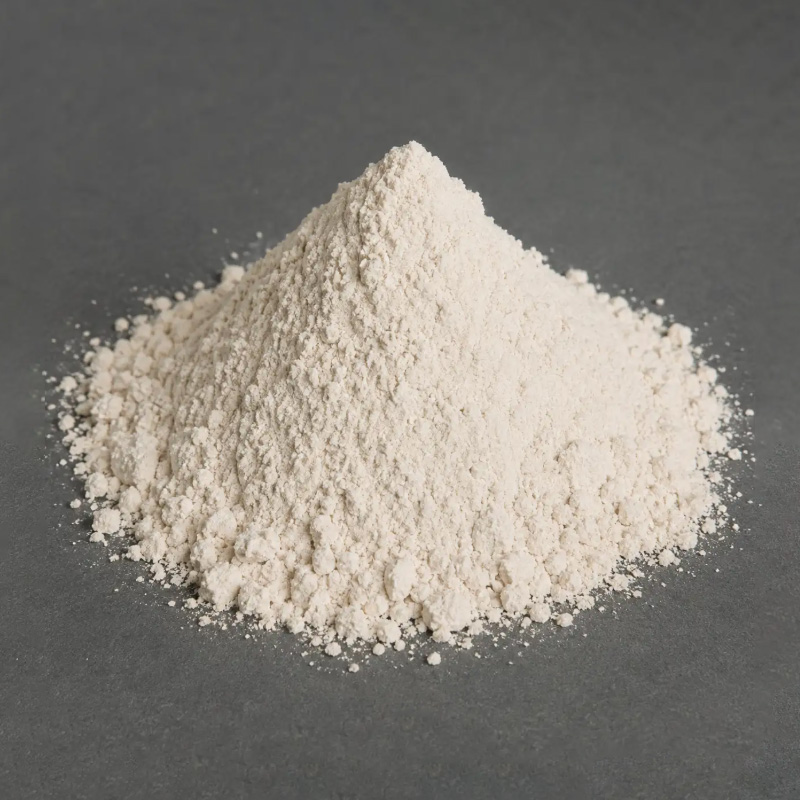
Fluorspar, also known as fluorite, is a naturally occurring mineral composed primarily of calcium fluoride. It is typically found in a range of colors including white, purple, green, and yellow, and is valued for its high fluorine content and low melting point properties. As one of the most important industrial minerals, fluorspar serves as the primary source of fluorine and its compounds across a wide range of industries.
Applications:
Fluorspar is most extensively used in the metallurgical industry as a flux in steel and iron production, where it lowers the melting point of raw materials and improves the fluidity of slag, resulting in cleaner and more efficient metal processing. In the chemical industry, it serves as the principal raw material for producing hydrofluoric acid, which is in turn used to manufacture refrigerants, fluoropolymers, and pharmaceuticals. The aluminum industry relies on fluorspar in the production of aluminum fluoride and synthetic cryolite, both essential in the aluminum smelting process. It is also used in the cement and glass industries as a fluxing agent to reduce energy consumption during production. In ceramics and enamelware, fluorspar improves the opacity, whiteness, and surface finish of finished products. Additionally, it finds use in the optical industry for manufacturing high-purity lenses and optical components due to its low refractive index and UV transparency.
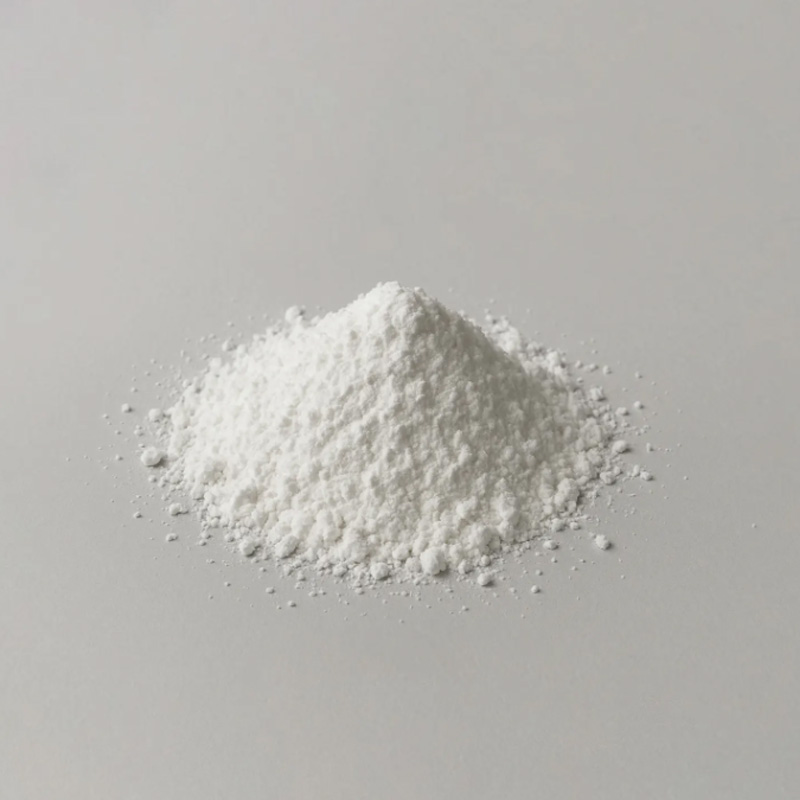
Calcium Oxide (75%), commonly known as quicklime, is a white to off-white granular or powdered material produced by the high-temperature calcination of limestone. With a minimum purity of 75%, it is a highly reactive alkaline compound that readily absorbs moisture and reacts with water to generate significant heat, making it a powerful agent for pH adjustment, neutralization, and various industrial processes.
Applications:
| Industry | Application |
|---|---|
| Construction | Used in soil stabilization, road base improvement, and as a binding agent in mortars and plasters |
| Mining & Metallurgy | Acts as a fluxing agent in steel production and assists in gold and silver ore processing |
| Chemical Manufacturing | Serves as a raw material in producing calcium carbide, calcium hydroxide, and other calcium-based compounds |
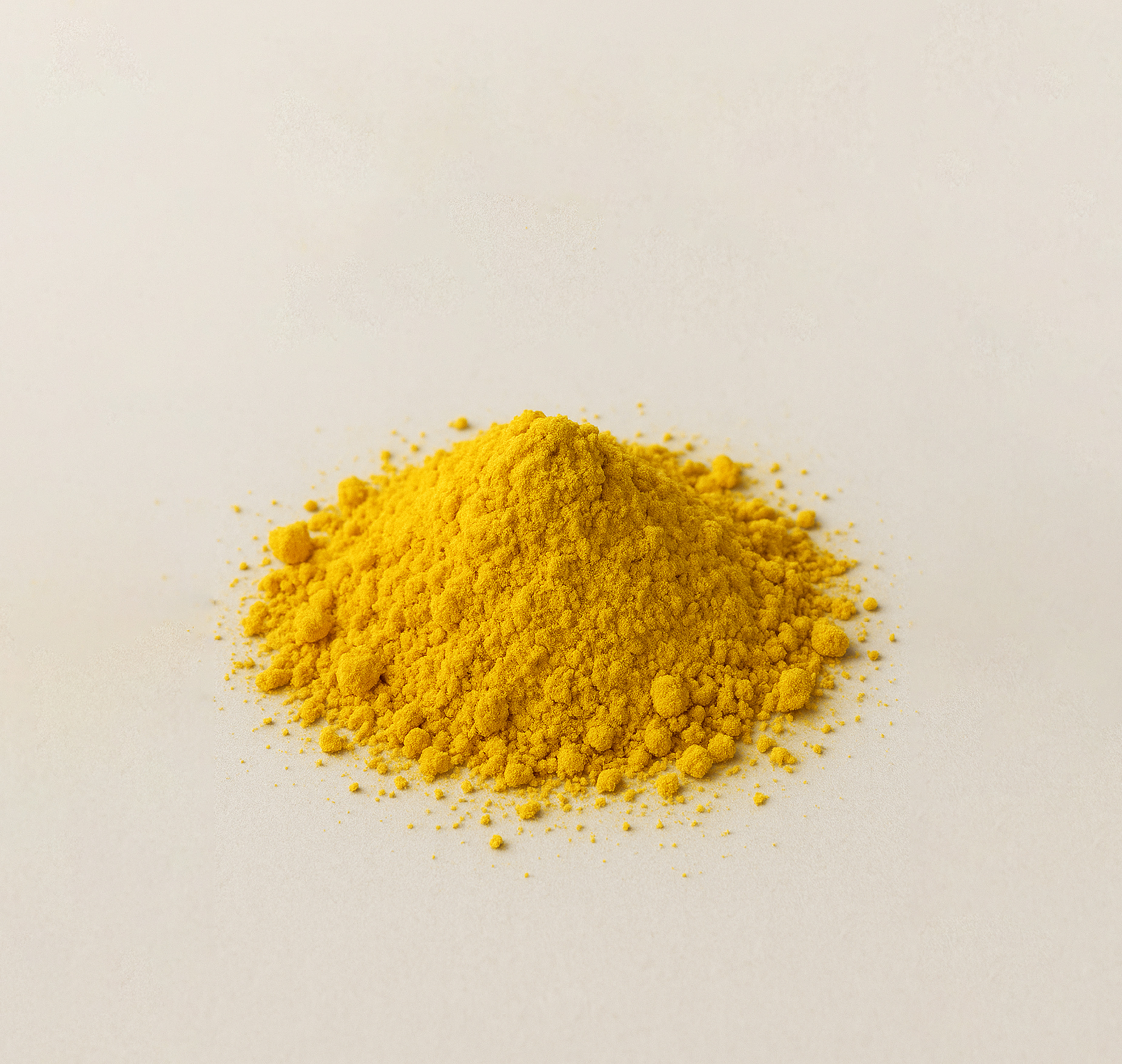
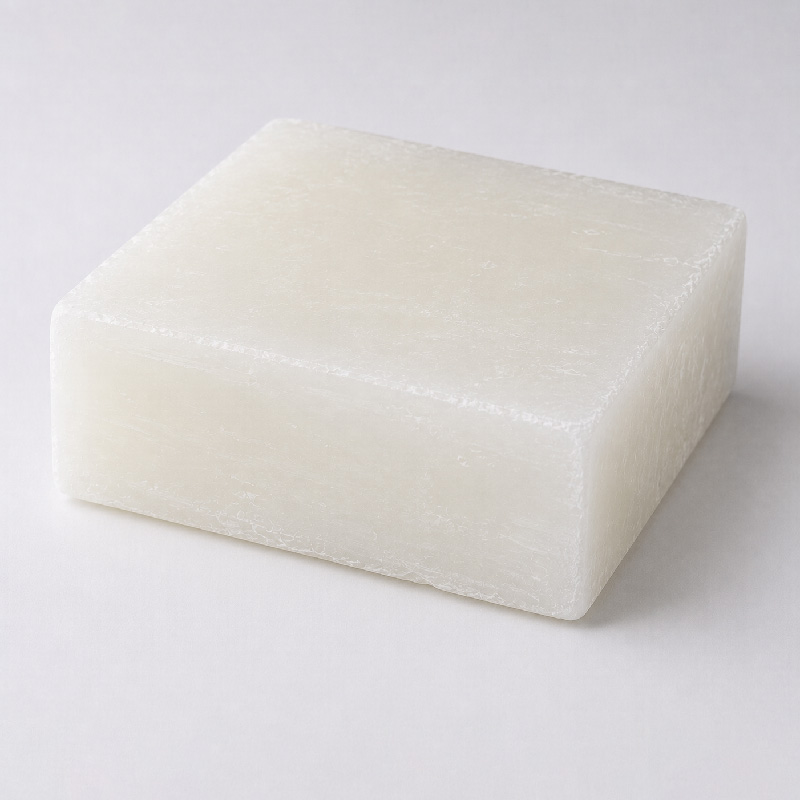
Paraffin Wax is a white to off-white, odorless solid derived from petroleum refining. It is composed of a mixture of hydrocarbon molecules and is available in various grades defined by their melting points, making it adaptable to a wide range of industrial and consumer applications. Known for its excellent moisture barrier properties, low reactivity, and smooth texture, paraffin wax is one of the most widely used waxes across multiple industries.
Applications:
Paraffin wax is most commonly associated with candle manufacturing, where it serves as the primary base material due to its clean-burning characteristics and ability to hold fragrance and color. The rubber and tire industry uses paraffin wax as an anti-ozonant additive that migrates to the surface of rubber products, forming a protective film that prevents cracking and degradation from ozone exposure. In cosmetics and personal care, it is used in lip balms, lotions, and hair care products for its moisturizing and smoothing properties. The textile industry applies paraffin wax as a fabric softener and lubricant during yarn and thread production. It is also widely used in paper and board coating to improve water resistance, and in electrical and industrial applications as an insulating material and rust-preventive coating.
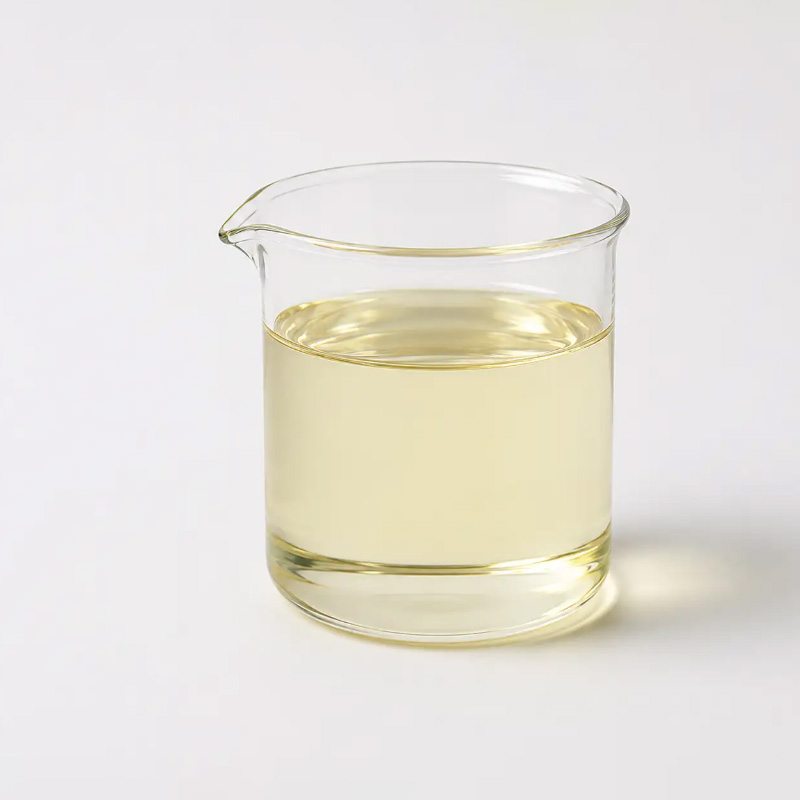
Plasticizers are chemical additives incorporated into polymers and resins to increase their flexibility, workability, and durability. Most commonly used with polyvinyl chloride (PVC), plasticizers work by embedding between polymer chains, reducing intermolecular forces and allowing the material to bend and stretch without breaking. They are available in various types including phthalates, adipates, and citrates, each suited to specific performance and regulatory requirements.
Applications:
Plasticizers are most extensively used in the PVC and plastics industry, where they are essential in converting rigid PVC into flexible materials used in cables, flooring, hoses, films, and synthetic leather. In the construction industry, plasticized PVC is widely applied in window profiles, roofing membranes, pipes, and wall coverings due to its weather resistance and dimensional stability. The automotive industry relies on plasticizers in the production of interior components such as dashboards, door panels, seating upholstery, and wire insulation, where flexibility and heat resistance are critical. In the wire and cable industry, plasticizers provide the necessary electrical insulation and mechanical flexibility required for power and data cables across residential and industrial installations. The medical industry uses specialized non-toxic plasticizers in blood bags, IV tubing, and medical gloves where material safety and flexibility are paramount. In adhesives, sealants, and coatings, plasticizers improve spreadability, adhesion, and long-term flexibility of the finished product.
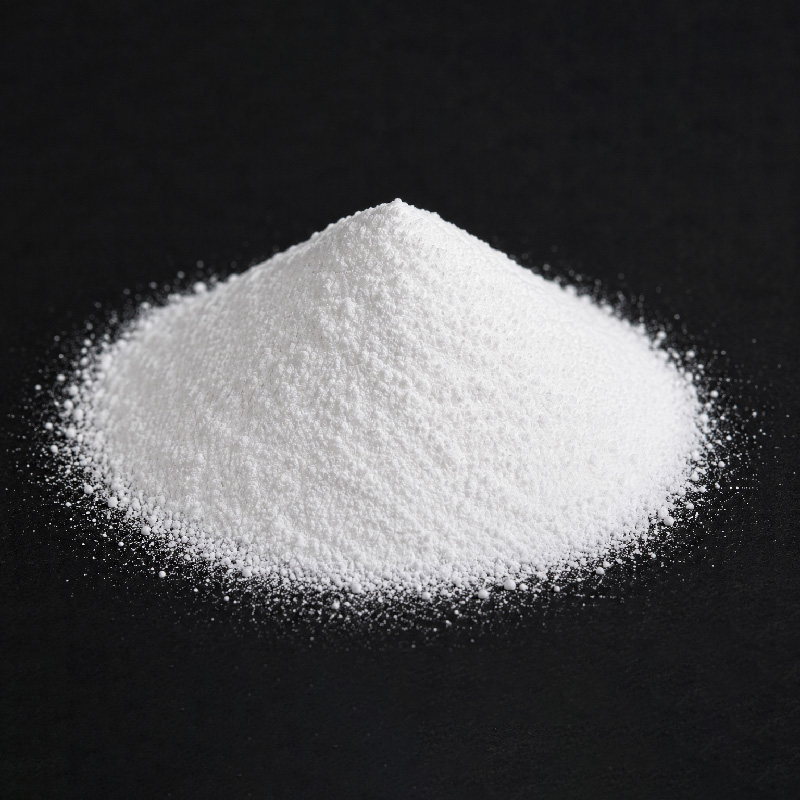
Soda Ash is a versatile white, anhydrous powder widely used as a key industrial chemical. It serves as an essential raw material in glass manufacturing, detergents, and water treatment, while also acting as a pH regulator and alkalinity builder across various chemical processes.
Applications:
Soda Ash is primarily used in the glass industry as a flux to lower the melting point of silica, making it indispensable in the production of flat glass, containers, and fiberglass. In the detergent and soap industry, it functions as a builder that softens water and enhances cleaning efficiency. It is also widely applied in water treatment to adjust pH levels and reduce water hardness. In the chemical industry, it serves as a raw material for producing sodium silicate, sodium bicarbonate, and other sodium compounds. Additional uses include pulp and paper processing, textile dyeing, and as a food-grade additive for pH control in food production.
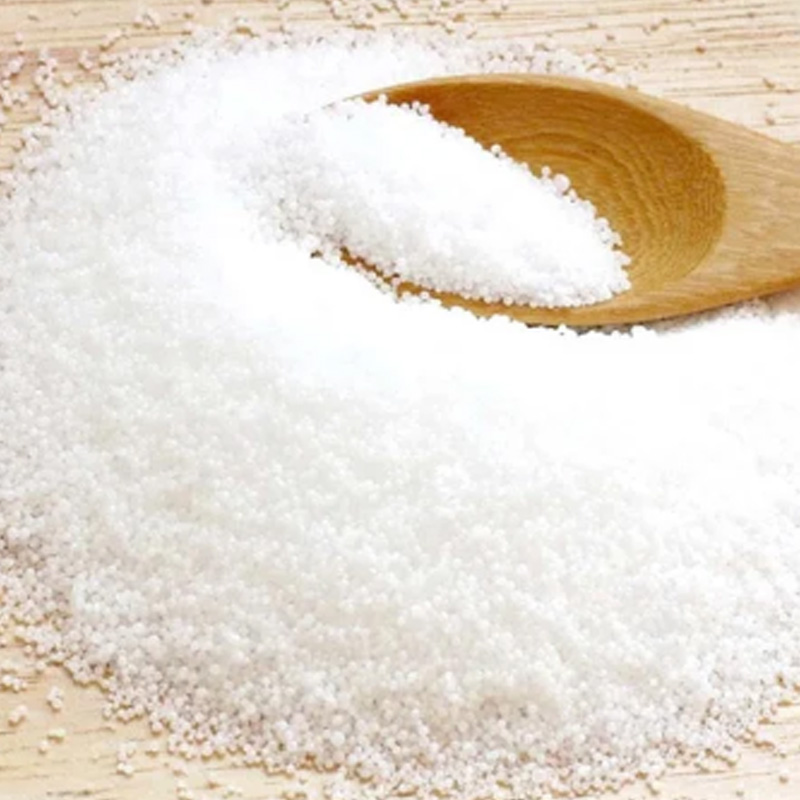
Stearic Acid is a naturally occurring saturated fatty acid derived primarily from animal fats and vegetable oils such as palm and shea butter. It appears as a white, waxy solid with a mild odor and is one of the most common and commercially important long-chain fatty acids. Stearic acid is valued for its emulsifying, lubricating, and binding properties, making it a widely used ingredient across plastic and rubber manufacturing.
Applications:
In the rubber industry, stearic acid serves as a processing aid and activator in vulcanization, improving the dispersion of zinc oxide and enhancing the overall strength, elasticity, and quality of rubber products. In the plastics and polymer industry, it functions as a lubricant and mold release agent that reduces friction during manufacturing, improves flow during processing, and prevents finished plastic products from sticking to molds and equipment.
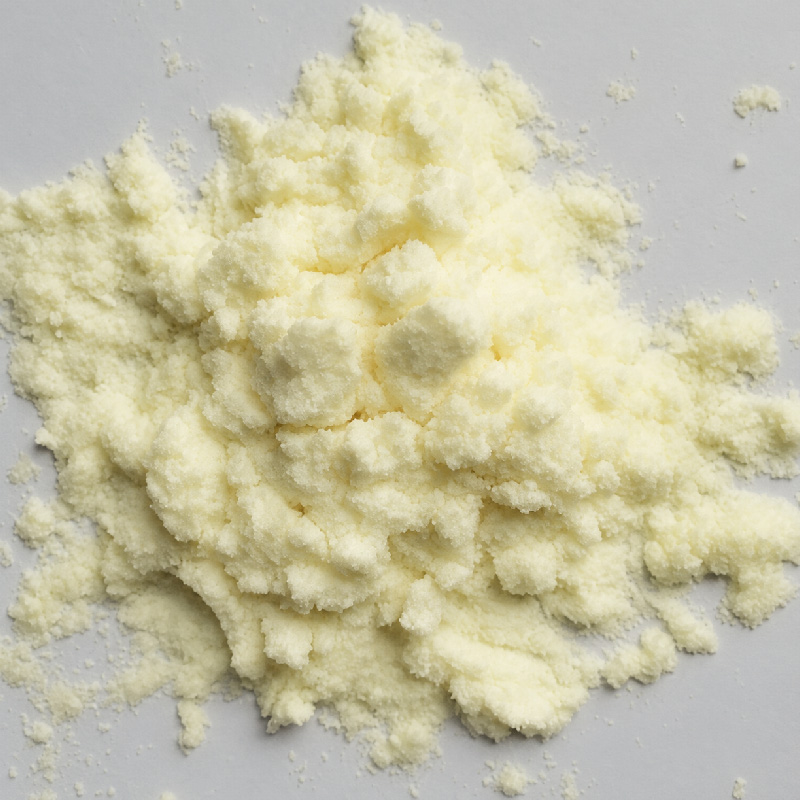
UV Stabilizer is a performance additive that helps protect plastics and polymer products from degradation caused by ultraviolet light. It improves color retention, surface appearance, and long-term durability, especially in outdoor and sunlight-exposed applications.
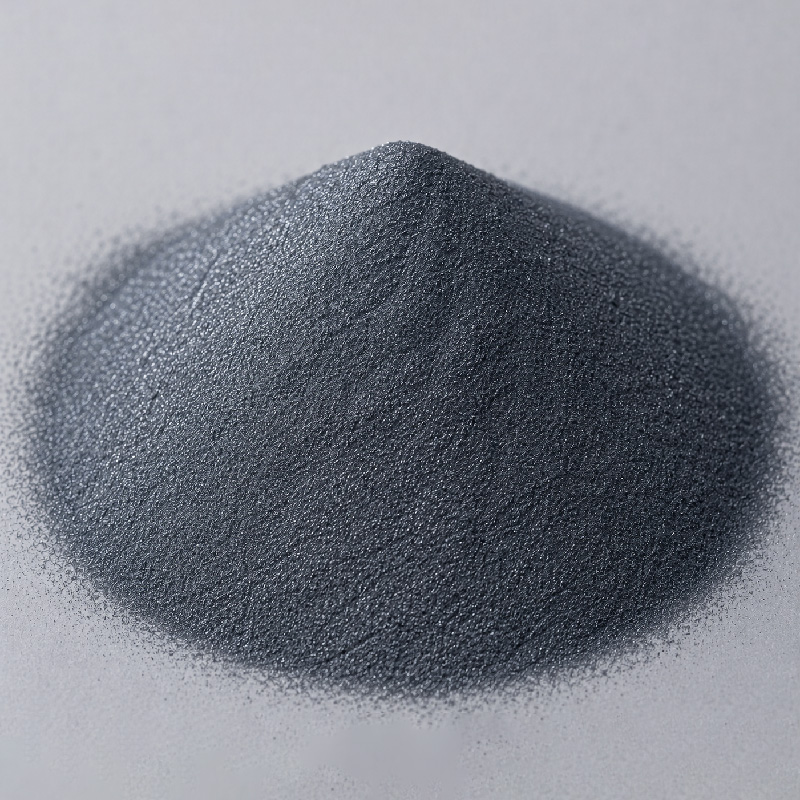
Zinc Dust is a fine metallic zinc powder widely used in gold mining and mineral processing, particularly in the Merrill–Crowe process. It acts as a precipitating agent that helps recover dissolved gold and silver from clarified cyanide solutions by replacing the precious metals and causing them to precipitate for subsequent collection and refining.
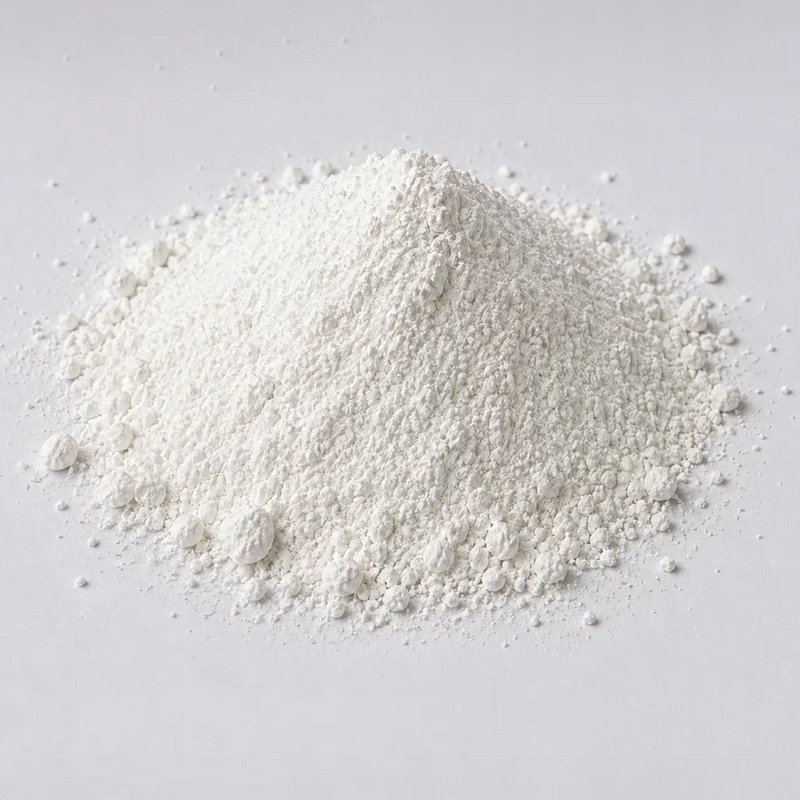
Zinc Oxide is a fine white powder that occurs naturally as the mineral zincite but is most commonly produced through industrial processes. It is an amphoteric compound, meaning it can react with both acids and bases, making it exceptionally versatile across numerous industries. Known for its UV-absorbing, antibacterial, and semiconducting properties, zinc oxide is one of the most widely used inorganic compounds in both industrial and consumer applications.
Applications:
| Industry | Application |
|---|---|
| Rubber & Tires | Used as an activator in vulcanization to improve elasticity, durability, and heat resistance of rubber products |
| Ceramics & Glass | Improves gloss, hardness, and thermal resistance in ceramic glazes and specialty glass |
| Paints & Coatings | Provides whiteness, UV protection, and corrosion resistance in paints and protective coatings |
| Chemical Manufacturing | Serves as a raw material for producing zinc-based chemicals, catalysts, and feed additives |